Here is the honest version. $400,000 down will not buy a passive six figure paycheck in this market. At today's rates a finished, turnkey property barely covers its own loan. What it will buy is a buy right and build or improve play on the Ichetucknee springs economy that can clear $100,000 a year, run semi absentee, by year two or three. Below is exactly what fits, the real math, and how to bring me a deal.
The Fort White and Lake City corridor sits on a real, supply constrained demand stack. Ichetucknee Springs State Park physically caps tubing at 750 people a day and closes when it fills on summer weekends. Add the Santa Fe and Suwannee rivers, O'Leno State Park, the I-75 and I-10 crossroads at Lake City, the University of Florida about 40 minutes south, and a steady snowbird and retiree base. Land is cheap, roughly $15,000 to $21,000 an acre in Columbia County. Real overflow demand sitting on top of a low land basis is the engine of every deal that works here.
The hard part is financing. In 2026, with SBA money around 9.5 percent and conventional loans in the 6 to 8 percent range, the yearly loan payment lands right on top of, or above, the income yield of almost any finished property. So a turnkey purchase throws off near zero or negative cash flow after debt. It cannot net $100,000, hold a healthy debt cushion, and run part time all at once on $400,000 down.
The money is in the spread between building or improving and the price the market pays for finished income, not in buying finished income.
That points at four things, ranked below by how cleanly they clear the bar.
The buy box
If your deal reads like this, send it. If it does not, send it anyway and I will tell you straight.
What I buy
In priority order: a glamping or cabin resort (operating, or 15 to 40 acres to build on); an under rented RV park or campground with room to add pads; below market self storage with boat and RV parking upside; a tenant owned lot mobile home community of 50 to 120 pads.
Price
$2.4M to $3.4M all in. For a build I will start at land plus construction and grow into that range.
Capital
$400,000 cash down. Balance through SBA 7(a) or 504, USDA B&I, conventional or agency debt, or seller financing. Seller carry and off market deals go to the front of the line.
Return target
A clear path to $100,000 or more a year in owner cash flow and a debt service coverage ratio of 1.25 or better at stabilization, usually year two to three. I will underwrite value add and ground up, not just finished income.
What makes it a fit
Bought below replacement cost or at a fair rural cap rate, with a real improvement lever (add pads or cabins, raise rates, lease up, fix below market rents), and the ability to run semi absentee with an on site manager.
Not a fit
Turnkey assets priced at big city cap rates, net lease retail, small apartments, budget motels, commodity farmland or timber, and anything that needs 50 percent down.
Timeline
Shopping now. I can close in 60 to 90 days on the right deal, or move immediately on land for a build.
The four plays, ranked
1
Glamping or cabin resort, built near the springs
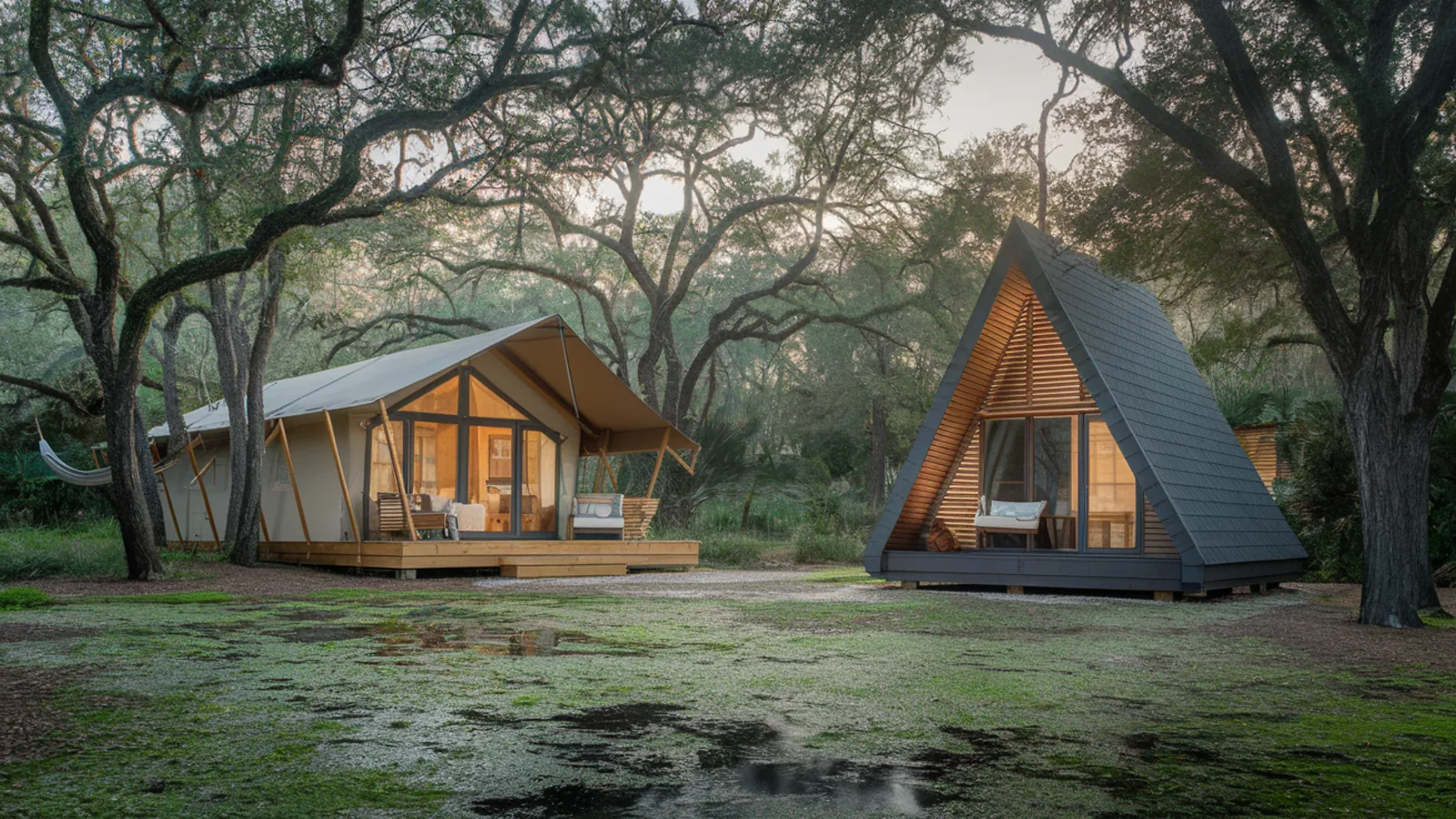
Why it fits. This is the only play that clears the $100,000 bar on its own verified math, and it does so because of where it sits. Ichetucknee caps tubing at 750 a day and turns people away on busy weekends, yet there is almost no modern cabin or glamping lodging to catch that overflow. Cheap land lets you build at roughly a 13 to 14 percent yield on cost while the market pays about a 9 percent cap. That spread is the cash flow. A local operator, Vista Verde Farm Retreat, already rents small cabins at $108 to $194 a night, which proves both the demand and the honest nightly rate.
The math. Build path around $3.4M all in (land near $400K, about 28 cabins at roughly $72K each, plus infrastructure, a bathhouse, an office, soft costs, and working capital). Fund it with $400K down and about $3.0M of SBA 7(a) money near 9 to 9.75 percent over 25 years, which is roughly $302K to $321K a year in debt service. Stabilized in year three or four at a $150 nightly rate, 55 to 60 percent occupancy, and a 48 to 52 percent margin, that is about $465K in net operating income, leaving roughly $130K to $145K after debt with coverage around 1.4 to 1.65. It clears the goal, but only above 50 percent occupancy. At 40 percent it breaks. Buying a finished cabin resort at a 9 percent cap fails. The rule is build, do not buy stabilized.
Your time. Not passive. Year zero to two is effectively a full time development job: rezoning, septic or a small wastewater plant, karst and flood review, construction, and hiring. The $400K can be fully used up in the build, so plan your reserves. Once it is stabilized, 15 to 25 hours a week works with a funded on site manager (around $45K to $60K, already in the numbers) and good booking software, though summer tubing weekends are all hands. An SBA 7(a) loan carries a personal guarantee and likely a lien on your home.
Where to look. Raw land of 20 to 40 acres near the Santa Fe River, along SR 47, or toward O'Brien and Royal Springs at about $15K to $21K an acre in Columbia and Gilchrist counties. A useful financial comp about 90 minutes south, Seven Sisters Campground and RV Park in Homosassa, traded around $2.85M with 6 cabins and 25 RV sites on roughly $499K gross and $260K net, a 9.1 percent cap.
The risks. Feasible but fragile. The whole result hinges on hitting 55 to 60 percent occupancy at $150 a night. It is a development deal, so cost overruns and permitting delays can break the plan and eat your equity. Rules near protected springs limit density. The nightly rate ceiling is real, this is a $108 to $194 market, not luxury glamping. New builds have no track record, so lenders want experience and an interest reserve. Florida insurance is high and rising, and summer carries the year.
2
RV park or campground, bought under rented
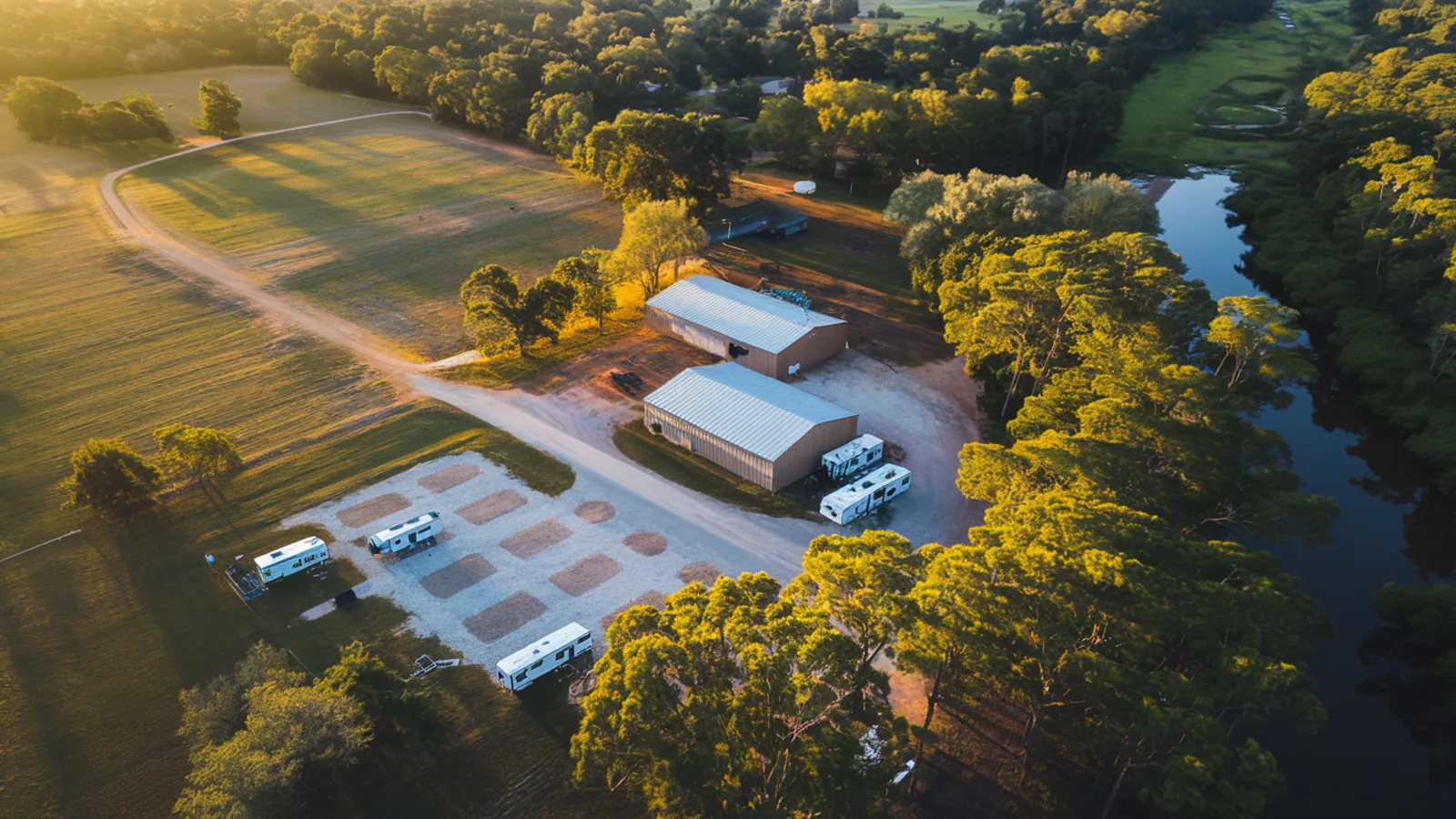
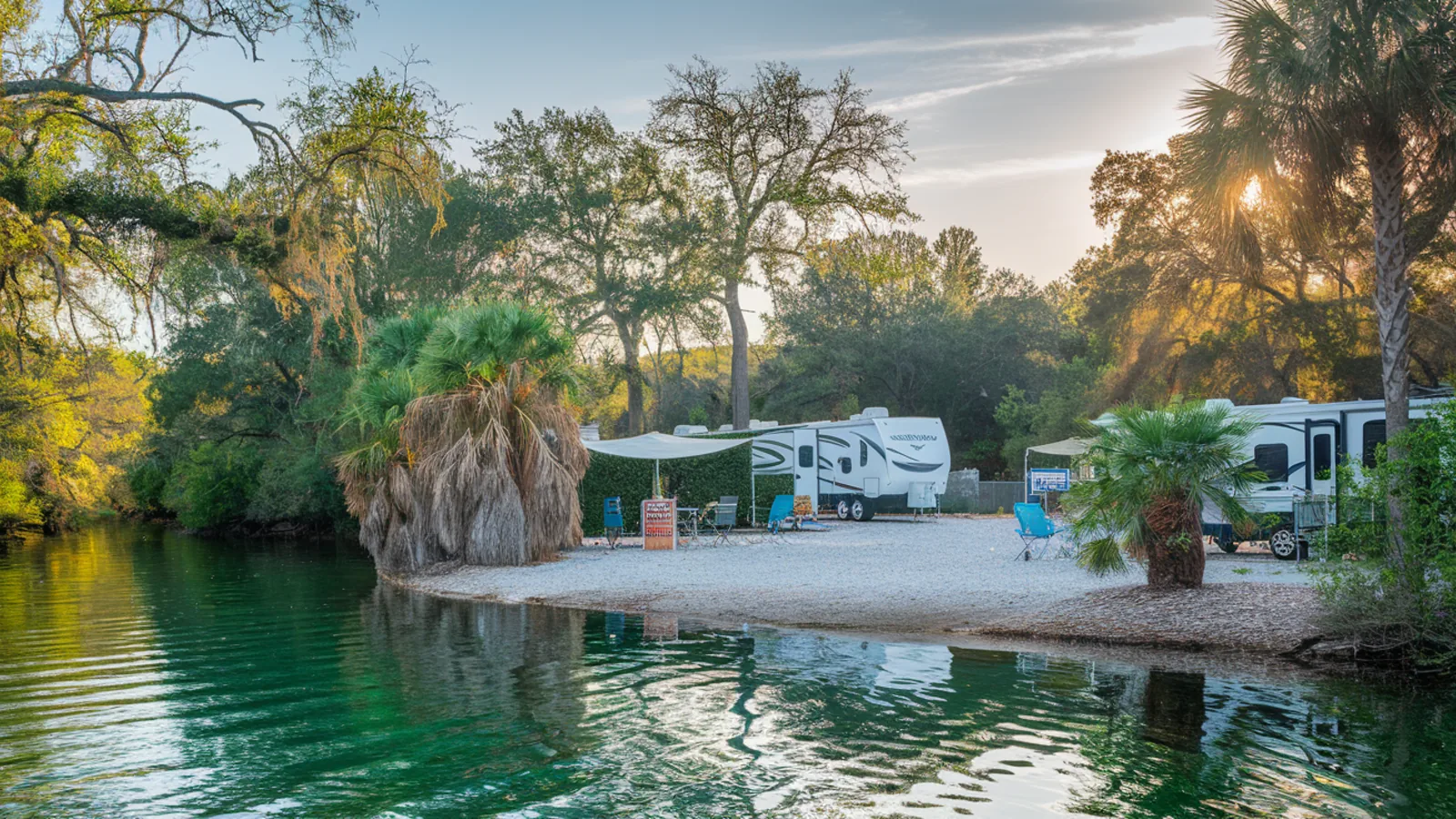
Why it fits. Real on thesis demand from Ichetucknee tubing, the Santa Fe and Suwannee rivers, O'Leno, and I-75, and the best part time profile of the income plays. Most parks in the corridor are mom and pop, light on amenities, and under priced on rate, which leaves clear room to add pads and manage rates. The springs hold 72 degrees year round, which stretches the shoulder season, and a snowbird base smooths the summer peak. The catch is the same as everywhere here. It works as a buy right value add, not a passive retail buy.
The math. With real RV park SBA money around 9.5 percent, a $2.0M loan runs about $209K a year and a $3.0M loan about $314K over 25 years. As is, a turnkey park nets close to zero after debt, coverage right around 1.0. The $100K shows up only after you improve it. A park on a $3.0M loan needs net operating income lifted to roughly $414K to $460K, a 30 to 50 percent jump through added pads and rate management, to net $100K to $146K with coverage around 1.32 to 1.47.
Your time. Semi absentee but not hands off. The norm is a live in manager or a workamper couple, around $45K to $60K plus a free site, already in the numbers. With that hire, owner time runs about 8 to 15 hours a week with a few intense holiday weekends. It clears the part time bar only if you fund and keep that manager. Run it yourself and it becomes a full time job.
Where to look. Suwannee River Bend RV Park in Old Town, about 45 minutes west, listed around $3.8M with 78 sites and waterfront, marketed at a 5 percent cap that you should re underwrite to 9 or 10 percent, with room to expand. Watch the SBA rule that more than half of revenue must come from stays under 30 days, since monthly heavy parks may not qualify. A smaller bolt on, an entitled 14 unit campground site near Ichetucknee, listed around $399K. Work the broker sites, RVParkStore, Parks and Places, and Crexi, and off market, because the best parks sell fast.
The risks. The financing and cap rate squeeze is the biggest one. At 9.5 percent money, a turnkey park at a fair 8 to 9 percent cap is negative leverage, so it works only bought below market or genuinely improved. SBA eligibility can fail if too much revenue is monthly. Revenue peaks on summer and holiday weekends, so a rainy summer or a springs closure hits the top line. Expenses run 50 to 70 percent, and riverfront means flood insurance. The market is thin, so finding the right deal is itself the work, and permitting near protected springs can stall the expansion the plan depends on.
3
Self storage, only bought below market
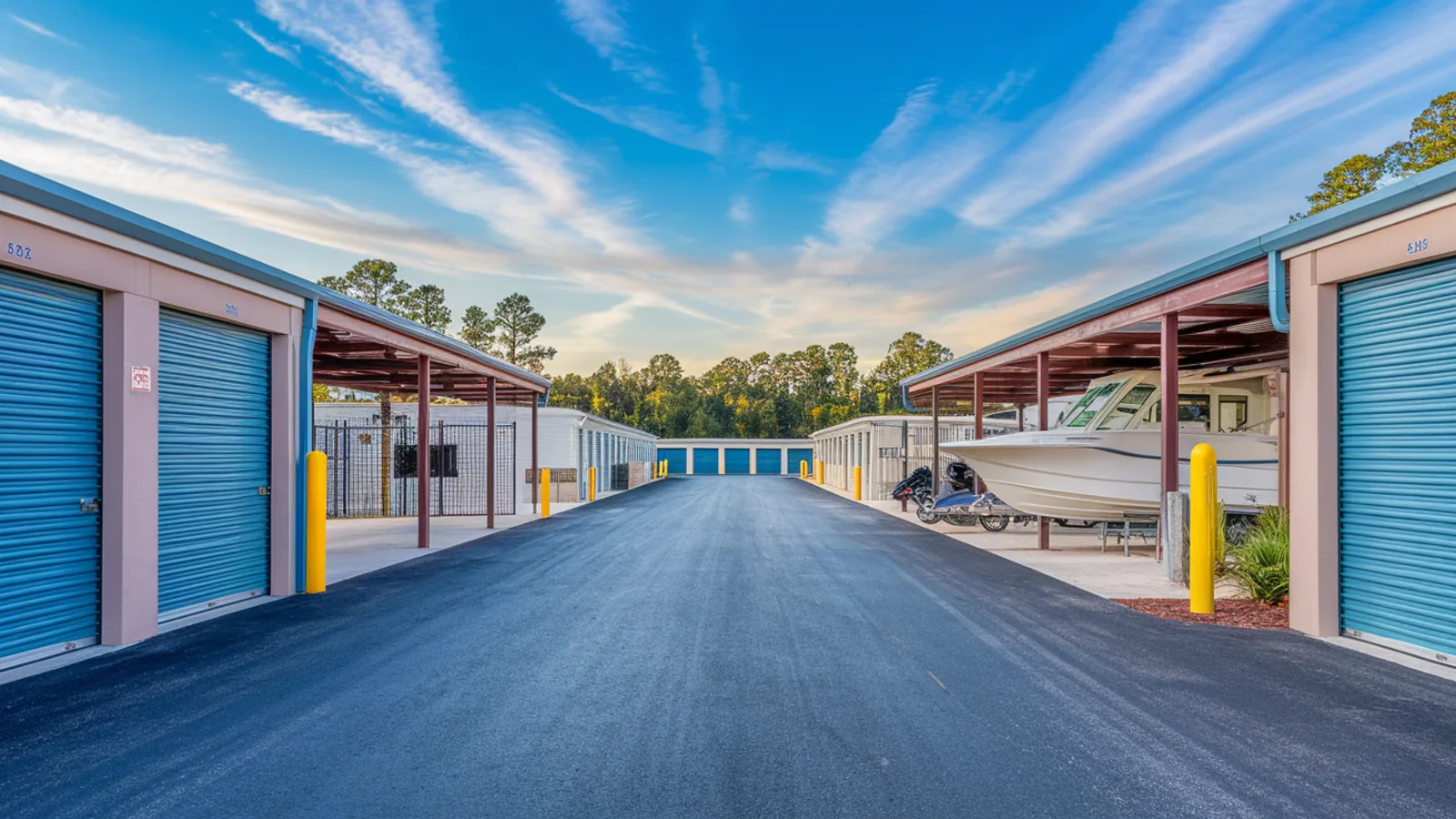
Why it fits. The cleanest genuinely part time asset on the list. A stabilized facility with a kiosk and remote management needs only about 4 to 8 hours a week and no on site staff. The demand story is right, with RV and boat owners, snowbirds, retirees leaving Gainesville, and I-75 traffic, plus a real boat and RV parking angle. The problem is price, not place. This works only bought well below the big city asking prices sellers are floating, or as a lease up and expansion play at a fair rural cap.
The math. It does not work at current asking. The anchor listing, Freedom Storage around $2.0M with 200 units, pencils to about $116K net, a 5.8 percent cap on an asset that should trade at 8 to 10 percent as rural drive up. Even the best financing leaves it cash flow negative, coverage around 0.74. Rents are low, about $91 a month for a 10 by 10, and actually falling against regional oversupply. To net $100K at 1.25 coverage on a $2.0M loan you would need about $270K of net operating income, worth roughly $3.4M at a fair 8 percent cap, more than twice what this facility makes. It only works bought at a much lower basis, around $1.45M for this income, and grown through the expansion land.
Your time. Truly part time, the standout strength here. About 8 hours a week during lease up dropping to about 4 once stabilized, with a kiosk and a part time contractor for lock checks and cleanouts. No full time hire needed.
Where to look. Freedom Storage in Lake City and Live Oak, around $2.0M to $2.39M, 200 units with 3 acres of expansion land, but only at a re traded, below asking price. Screen Columbia and Alachua county inventory on Crexi and LoopNet through a broker.
The risks. The math fails at asking prices, so the real risk is overpaying for big city priced product. The region is oversupplied and rents are low and falling. Florida in migration has cooled sharply from the 2022 peak. The expansion upside needs fresh capital and two to three years of lease up. Outdoor RV and boat parking is seasonal and weather exposed, and many conventional loans carry 5 to 7 year terms with balloon and refinance risk. The issue is feasibility, not workload, so only buy this if you can get it well under asking.
4
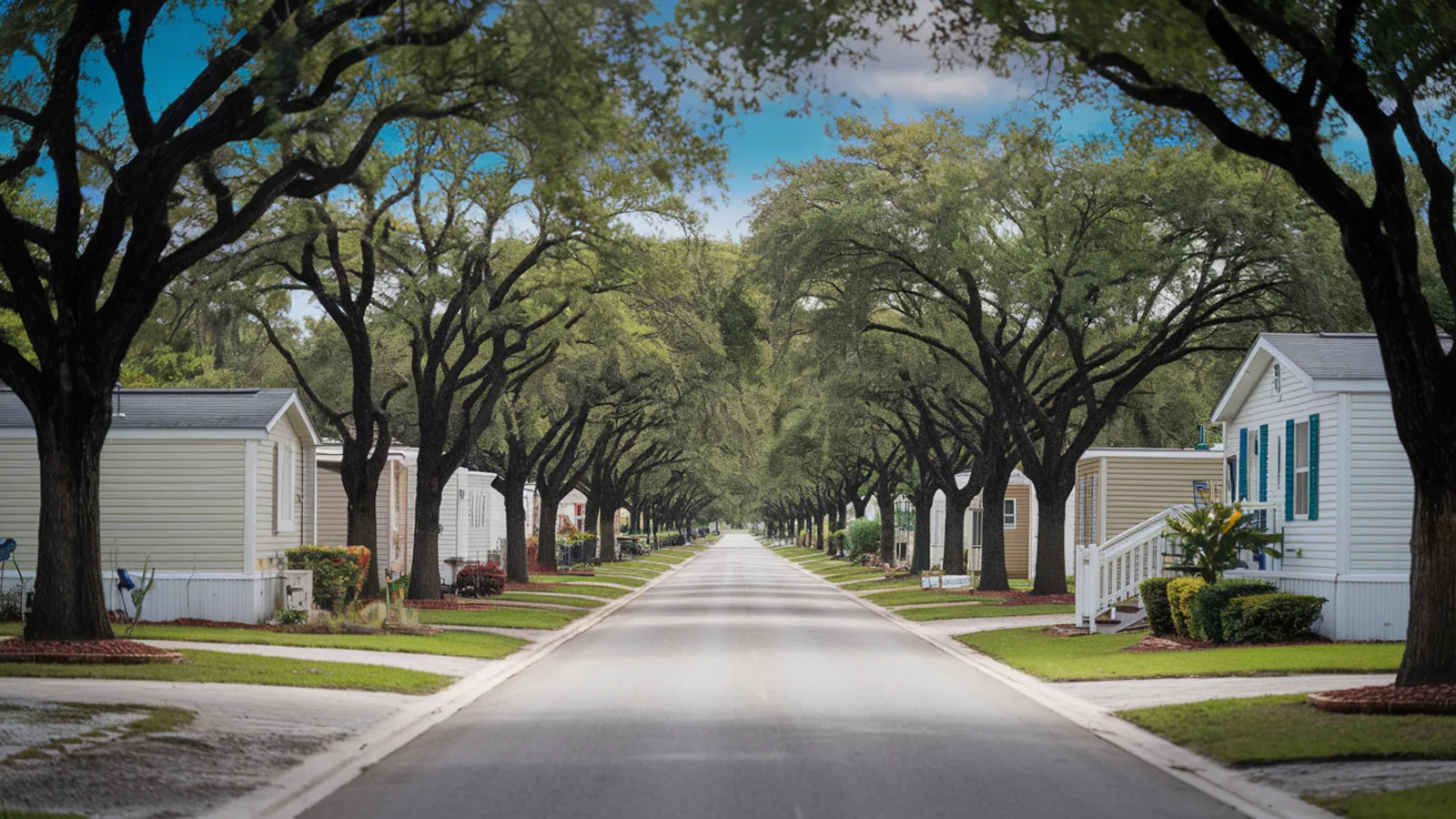
Mobile home community, tenant owned lots
Why it fits. The most genuinely part time income asset. A true tenant owned lot park is about 5 to 10 hours a week, collecting lot rent, light upkeep, enforcing rules, and billing utilities, with a part time or off site manager. The tailwinds are real: Columbia County growth, the Lake City hub, a shortage of affordable housing, and Florida lot rents growing 5.5 to 11 percent a year. Below market parks offer upside through raising under market rents, billing back utilities and taxes, and filling empty pads.
The math. Conventional or agency money only, since SBA does not finance passive lot rent parks. A $2.0M loan at 7.75 percent is about $181K a year, a $3.0M loan about $272K. A typical 90 pad park at around $400 lot rent makes about $220K to $258K net, leaving roughly $57K to $77K after debt with coverage around 1.31 to 1.42. A larger 120 pad park nets about $46K to $72K. Every honest conventional case lands between about $46K and $77K, short of $100K. The only path to $100K is a seller carried note around 5.5 percent, interest only, but that needs a balloon refinance and the 50 to 60 percent down that corridor sellers actually ask for, which $400K cannot meet.
Your time. Genuinely part time, about 5 to 10 hours a week, for a true tenant owned lot park with delegated management. The warning: many available parks here are park owned home parks that add repair and turnover work and push it to 15 to 20 hours a week, which breaks the part time goal.
Where to look. Bowers Landing in Chiefland, about 50 minutes southwest, listed around $2.5M and advertised as fully owner occupied, which is the low management profile you want, so verify the numbers. A Crexi listing of a 51 unit park on 15 acres with seller financing at a 9 to 10.5 percent cap has both the right size and the seller carry structure that could make the math work. Avoid the tiny park owned home parks and anything far over budget.
The risks. Financing is the deal killer. No SBA or USDA, and conventional needs 20 to 25 percent down at 7 to 9 percent, where a 9 to 9.5 percent cap barely beats the loan cost. The combination of $100K net, 1.25 coverage, $400K down, and self serviced debt does not close on conventional money. Seller financing is the only $100K path and it relies on balloons and large down payments. Clean 60 to 120 pad lot rent parks rarely list. Confirm city utilities versus private well and septic. Park owned homes break the part time goal, and Florida law requires 90 day notice on lot rent increases with growing political scrutiny.
What does not make the cut
The underwriting killed several popular ideas at what $400,000 down can fund. Net lease retail, small apartment buildings, budget motels, laundromats and car washes in this already served town, and commodity farmland or timber all fail to clear $100,000 after debt at today's rates. Turnkey property priced at big city cap rates does not service its own loan here. None of these are bad assets. They simply do not fit this buyer's box in this market right now.
Bring Chino a deal
I am a serious, funded buyer shopping the Fort White, Lake City, and High Springs corridor right now, with $400,000 cash down and a $2M to $3M loan ready. I move fast on glamping and cabin resorts, under rented RV parks with room to grow, below market self storage, and tenant owned lot mobile home communities, especially off market, value add, or seller financed deals priced on real rural economics. Bring me something that pencils on its trailing twelve numbers with a clear improvement lever and you will get a quick, straight answer and a clean close in 60 to 90 days. Pocket listings and owners who are not quite ready to list are welcome.
This thesis came from a structured market study of ten asset classes in the Fort White corridor, each one underwritten and then checked again by a skeptical second pass at 2026 financing rates. The numbers above are estimates and stated goals, not promises or offers, and nothing here is investment, legal, or tax advice. Always verify a seller's figures yourself. The main sources are below.